
Gut Microbiome: Why Is It Important for Digestive Health?
Discover what the gut microbiome is and why it matters for digestive health. Learn how beneficial gut bacteria support digestion and immunity, what affects microbial balance, and which foods and lifestyle habits help maintain a healthy gut environment.
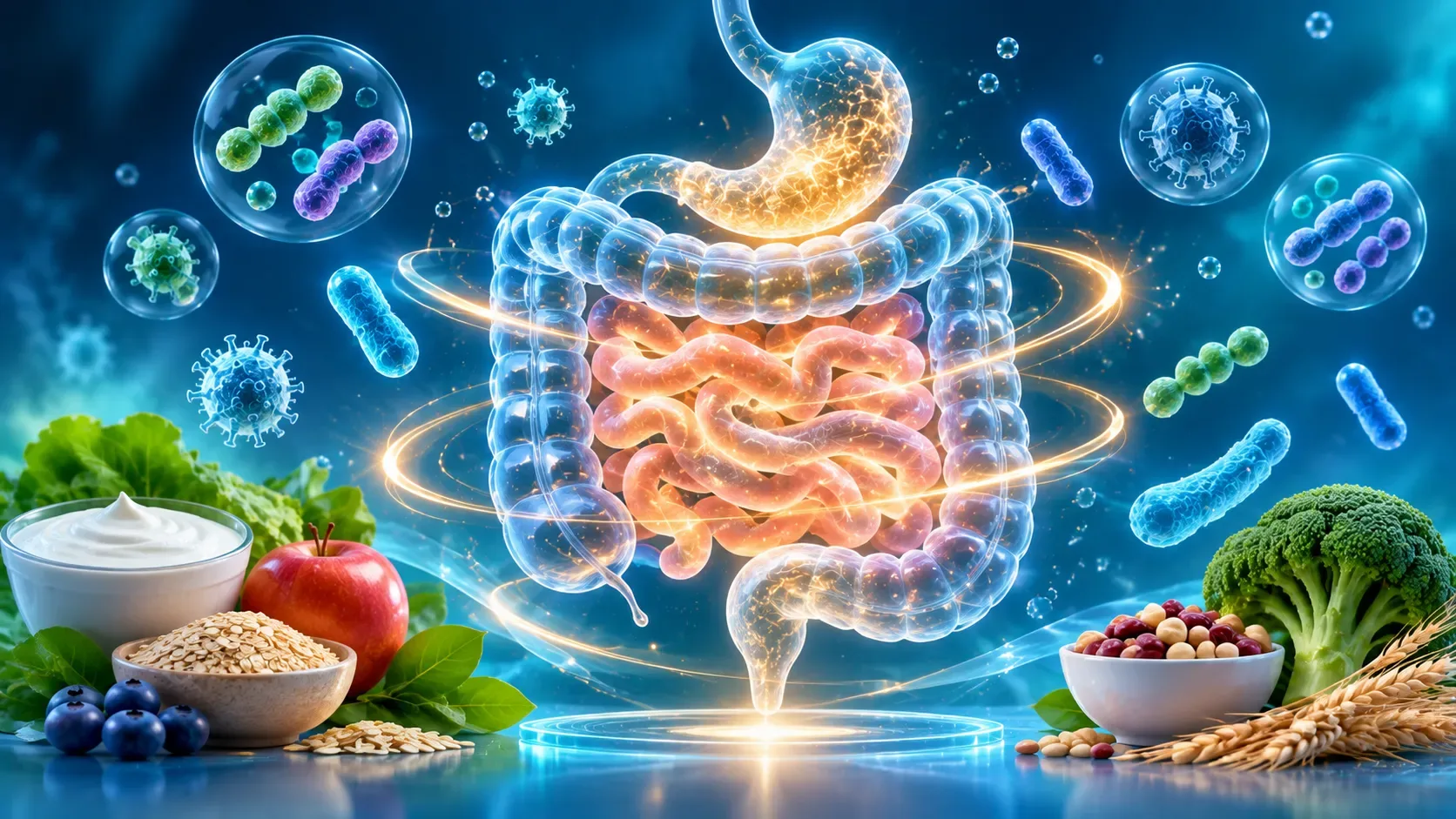
The gut microbiome plays an important role in digestive health and several other body functions. It refers to the complex community of microorganisms living in the digestive tract, including bacteria, viruses, fungi, and other microscopic organisms.
These microorganisms contribute to the breakdown of certain food components, produce useful compounds, interact with the immune system, and help maintain the intestinal environment.
The importance of the gut microbiome goes beyond digestion. Research has also explored its relationship with immune regulation, metabolic health, and communication between the gut and the brain.
In this article, we explain what the gut microbiome is, how it supports digestive health, why beneficial gut bacteria matter, what affects microbial balance, and which everyday habits can help maintain a healthy gut environment.
What Is the Gut Microbiome?
The gut microbiome refers to the community of microorganisms living in the digestive tract, particularly in the large intestine, where many different types of microbes are present.
Its composition varies from person to person and can be influenced by several factors, including:
Diet and eating habits.
Age and life stage.
Environmental exposure.
Antibiotics and other medications.
Overall health.
Lifestyle and physical activity.
There is no single ideal microbiome composition that applies to everyone. Diversity, microbial functions, and interactions with the body are important considerations when studying gut health.
What Is the Difference Between Gut Microbiota and Gut Microbiome?
The two terms are sometimes used interchangeably, but they have slightly different scientific meanings.
Gut microbiota: Refers to the microorganisms living in the digestive tract.
Gut microbiome: Often refers to these microorganisms, their genetic material, their functions, and the environment in which they live.
This distinction highlights that gut health is not simply about the number of bacteria present. It also involves their types, activities, and interactions with the human body.
Why Is the Gut Microbiome Important for Digestive Health?
Microorganisms in the digestive tract perform several functions that contribute to normal digestive activity.
1. Helping Digest Certain Food Components
The human digestive system cannot break down every component of food on its own.
Some beneficial gut bacteria help ferment dietary fiber and certain carbohydrates that reach the colon without being fully digested.
This process produces compounds known as short-chain fatty acids, including butyrate, acetate, and propionate. These compounds contribute to the intestinal environment and support several aspects of gut function.
2. Supporting the Intestinal Barrier
Certain microorganisms and the compounds they produce help maintain the natural environment of the intestine.
The intestinal barrier regulates the movement of substances from the digestive tract into the body and helps limit the passage of unwanted microorganisms and materials.
3. Interacting With the Immune System
Gut microorganisms interact with immune cells and tissues located in the digestive tract.
These interactions contribute to immune regulation and support some of the body's natural defense mechanisms.
4. Producing Certain Vitamins and Useful Compounds
Some gut bacteria can produce compounds that contribute to the body's nutritional and biological processes, including certain B vitamins and vitamin K.
The amount of these nutrients supplied by gut bacteria varies, and their contribution does not necessarily replace dietary requirements.
5. Contributing to Bowel Function
Microbial activity affects the environment inside the intestine and may influence bowel movement and digestive processes.
Changes in gut microbiome composition have been associated with symptoms such as bloating and altered bowel habits in some people. However, these symptoms have many possible causes and do not independently confirm a microbiome imbalance.
The Role of the Gut Microbiome in Overall Health
The importance of the gut microbiome extends beyond digestion. Research has identified several connections between gut microorganisms and other body systems.
1. The Gut Microbiome and Immune Health
The intestine contains important immune tissues and cells that interact with the microorganisms living in the digestive tract.
These interactions may help regulate immune responses and support normal defense mechanisms.
However, this does not mean that consuming a particular bacterial strain guarantees stronger immunity or prevents all diseases.
2. The Gut-Brain Axis
The digestive system and nervous system communicate through a network known as the gut-brain axis.
This communication involves several pathways, including nerve signals, hormones, immune activity, and compounds produced by gut microorganisms.
These interactions may help explain why digestive symptoms and emotional health can sometimes influence one another.
However, research is still exploring the exact nature of these relationships and the extent to which the gut microbiome affects mood and mental health.
3. The Gut Microbiome and Metabolic Health
Gut microorganisms participate in the metabolism of certain dietary components. Research has also explored associations between microbiome patterns and metabolic markers, including blood glucose regulation.
However, a microbiome test alone cannot diagnose obesity, diabetes, or other metabolic conditions, nor can it determine the appropriate treatment.
What Does a Healthy Gut Bacterial Balance Mean?
A healthy balance of gut bacteria refers to a diverse microbial community that performs different functions and interacts appropriately with the body.
It does not mean that every bacterial species must exist in equal numbers or that all bacteria are beneficial.
Some microorganisms may be helpful under certain conditions, while others may contribute to problems if they grow excessively or appear in locations where they do not normally belong.
The term dysbiosis is sometimes used to describe changes in microbial composition, diversity, or function.
Research has associated certain microbiome changes with different health conditions. However, an observed difference does not automatically prove that it caused the disease. It may sometimes be a consequence of illness, dietary changes, or medication use.
Factors That Affect the Gut Microbiome
Several factors can influence the composition and diversity of microorganisms in the digestive tract.
1. Diet
Diet is one of the important factors affecting the gut microbiome.
Foods rich in dietary fiber provide material that different gut bacteria can use. Long-term diets with limited variety or low fiber intake may influence the diversity and activity of certain microorganisms.
2. Antibiotic Use
Antibiotics are designed to fight certain bacterial infections, but they can also affect some of the normal bacteria living in the digestive tract.
The microbiome may change after antibiotic treatment. The extent and duration of these changes vary depending on the medication, treatment duration, and individual health.
Antibiotics should be used according to medical advice and are not appropriate for treating viral infections unless there is another medical reason.
3. Poor Sleep and Stress
Sleep disturbances and psychological stress may be associated with changes in digestive function and communication between the gut and brain.
Researchers are also studying how these factors relate to gut microbiome composition.
Maintaining regular sleep habits and managing stress are useful parts of supporting overall health.
4. Age
The composition of the gut microbiome changes throughout life, from infancy to older adulthood.
Diet, physiological changes, medication use, and general health can all contribute to these changes.
5. Lifestyle and Physical Activity
Regular physical activity supports metabolic and digestive health.
Some studies have also identified associations between physical activity and gut microbial diversity, although the extent of these effects varies between individuals.
How to Support Gut Health and Beneficial Gut Bacteria
Several everyday habits can help maintain a healthy intestinal environment.
1. Eat Fiber-Rich Foods
Dietary fiber is an important source of nutrients for certain gut microorganisms.
Good sources include:
Oats and whole grains.
Lentils, beans, and chickpeas.
Leafy green vegetables.
Apples and pears.
Nuts and seeds.
Increase fiber intake gradually and drink enough water, especially if you experience bloating or digestive sensitivity.
2. Eat a Variety of Plant Foods
Including different vegetables, fruits, legumes, whole grains, nuts, and seeds provides a wide range of fibers and plant compounds that gut microorganisms can use.
You do not need to rely on a single food or follow a complicated diet to increase dietary variety.
3. Include Suitable Fermented Foods
Some fermented foods contain live microorganisms, including certain types of yogurt and kefir.
Some products may support digestive health, but not every fermented food necessarily contains beneficial live bacteria. Their microbial content and potential effects depend on the production method and the specific organisms present.
4. Understand Prebiotics and Probiotics
Prebiotics and probiotics are related to gut health, but they are not the same.
Prebiotics are substances, often specific types of dietary fiber, that are selectively used by microorganisms in the body and may support the growth or activity of certain beneficial microbes.
Sources include some fibers found in onions, garlic, oats, and legumes.
Probiotics are live microorganisms that may provide a health benefit when consumed in adequate amounts and in specific strains.
Not every probiotic supplement is suitable for everyone. Potential benefits depend on the strain, health condition, and reason for use.
5. Stay Physically Active
Walking and other moderate physical activities support general health and digestive function.
Choose an activity that matches your physical ability and aim for consistency rather than excessive exercise.
6. Prioritize Sleep and Stress Management
Good sleep and stress management support overall well-being and may help maintain normal digestive function.
Try to maintain regular sleep times, schedule periods of rest, and include activities that help you relax.
Is Gut Microbiome Imbalance Linked to Irritable Bowel Syndrome?
Researchers are studying the relationship between the gut microbiome and irritable bowel syndrome (IBS).
Some studies have found differences in microbial composition between groups of people with IBS and those without the condition.
However, these differences are not consistent across all patients, and there is currently no single microbiome pattern that can reliably diagnose IBS.
Several factors may contribute to IBS symptoms, including intestinal sensitivity, digestive movement, psychological stress, and certain foods.
Management depends on the individual's symptoms and may involve dietary adjustments or a low-FODMAP approach under the guidance of a qualified professional.
You can also explore foods suitable for irritable bowel syndrome to learn more about dietary approaches that may help manage digestive symptoms.
Do You Need a Gut Microbiome Test?
Some commercial tests analyze stool samples to identify microorganisms present in the digestive tract.
However, interpreting these results remains challenging. There are currently no sufficiently standardized and reliable criteria that allow most commercial microbiome tests to diagnose diseases or determine precise treatment plans for otherwise healthy individuals.
A commercial microbiome test should not be used alone to diagnose digestive disorders or decide which supplements a person needs.
If you experience persistent symptoms such as diarrhea, constipation, abdominal pain, or unexplained weight loss, consult a healthcare professional for an appropriate evaluation.
Conclusion
The gut microbiome is a complex community of microorganisms that contributes to the digestion of certain food components, supports the intestinal barrier, and interacts with the immune system.
Gut health and microbial balance are influenced by several factors, including diet, medications, sleep, stress, age, and lifestyle.
Eating fiber-rich foods, increasing plant food variety, choosing suitable fermented foods, exercising regularly, and maintaining consistent sleep habits can help support a healthy intestinal environment.
However, probiotics and commercial microbiome tests should not be viewed as universal treatments. The most appropriate approach depends on an individual's health, symptoms, and medical evaluation.
For more educational health content, explore Fekrtany Articles, Courses, and Lectures.